
Why Early-Harvest Oil Tastes So Alive
Pick olives green and early and you get a bolder, greener, more peppery oil — with a story in every note. Here’s the trade-off behind it.
Two bottles from the very same grove can taste worlds apart — grassy and peppery in one, soft and buttery in the other. Often the difference comes down to a single decision made on the hillside: when to pick.
Green to black, and everything between
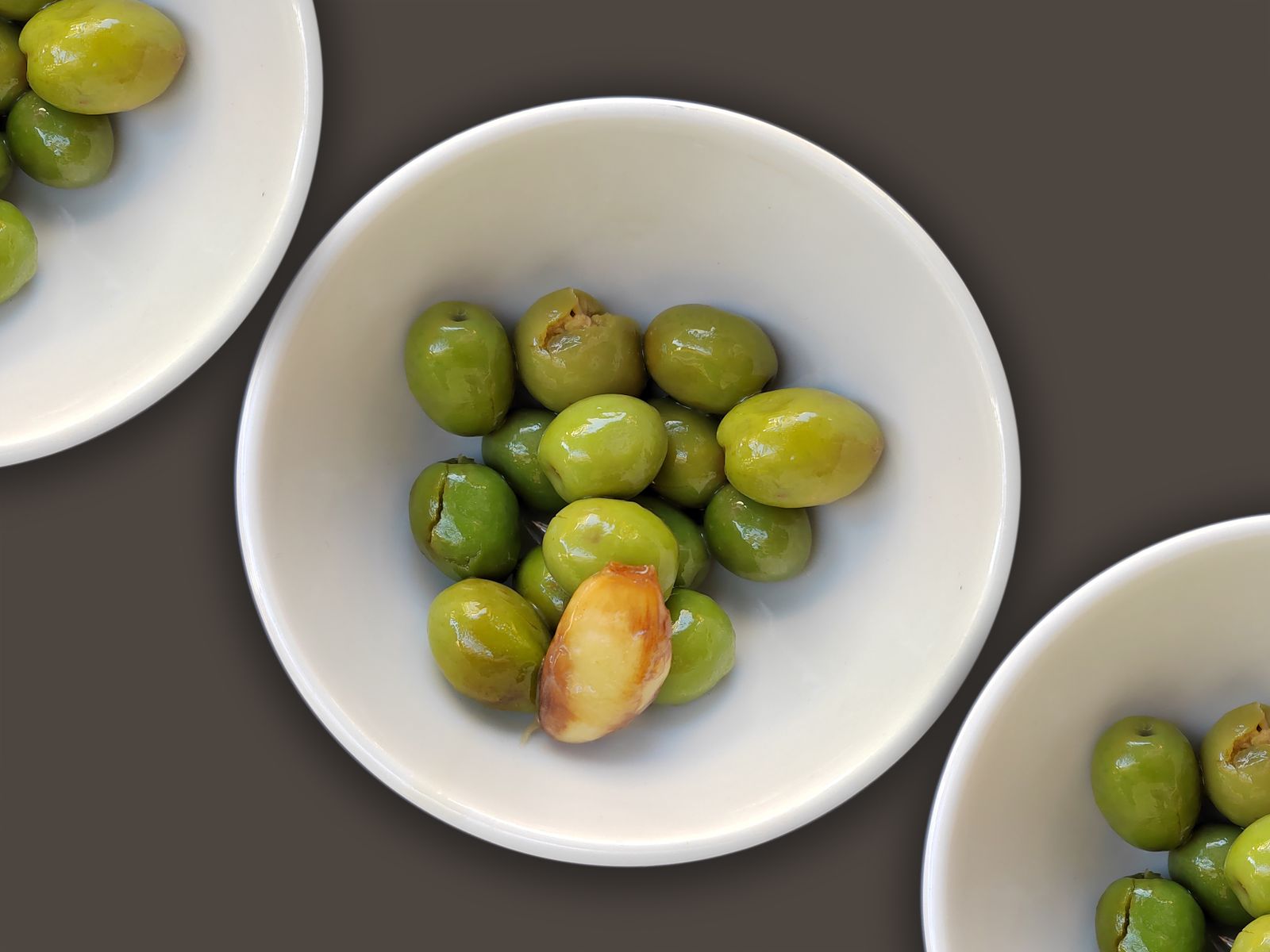
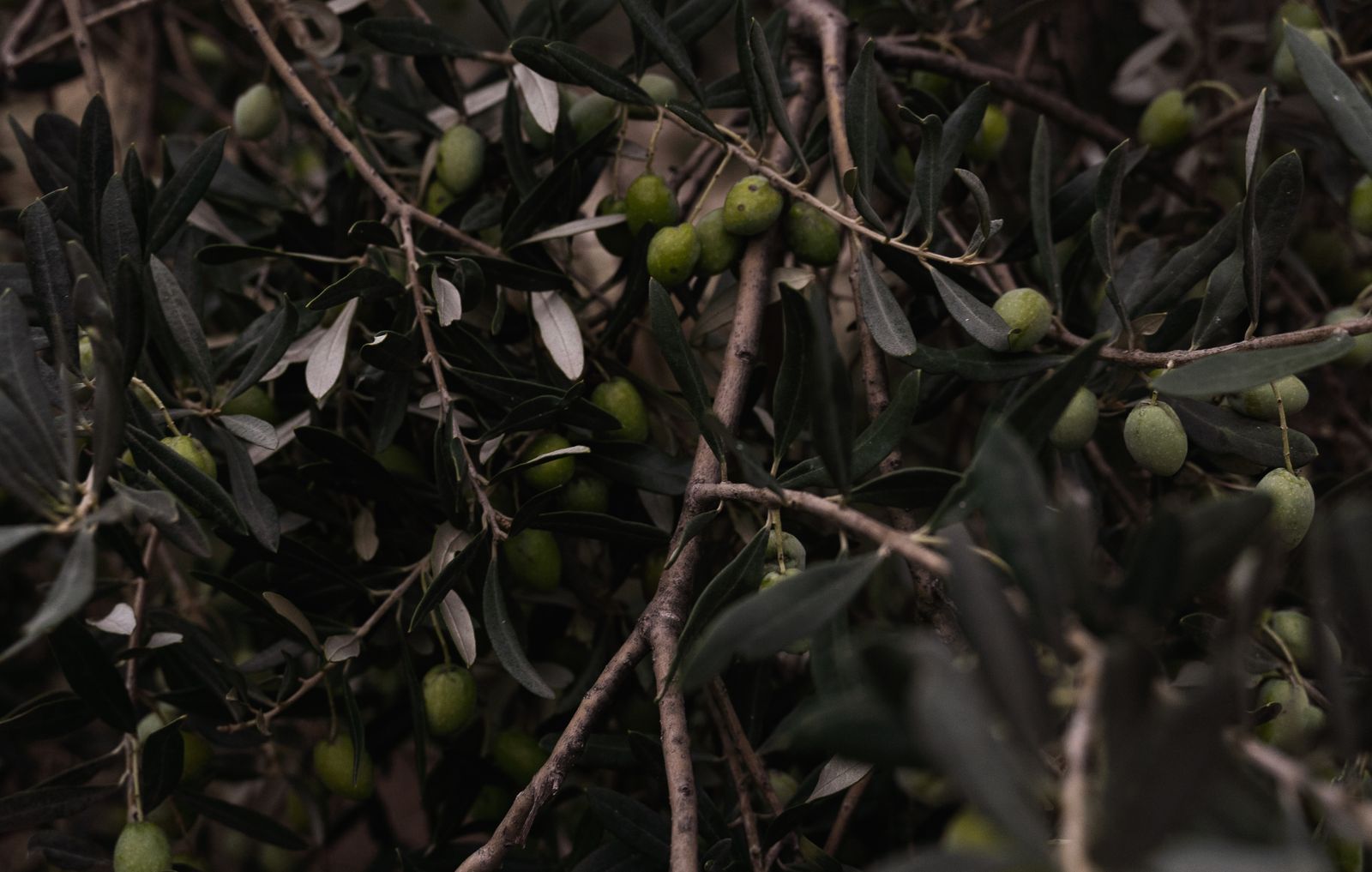
As olives ripen, they shift from bright green through purple to black — a stage growers call veraison. That color change tracks a trade-off between two things a producer can’t fully have at once: quantity and character.
- Early harvest (green, usually October into November) yields less oil per olive, but it’s richer in polyphenols — bolder, greener, more peppery, with a longer shelf life.
- Late harvest (riper, darker fruit) gives more oil that’s milder and buttery, but lower in antioxidants and quicker to fade.
Why “alive” tastes the way it does
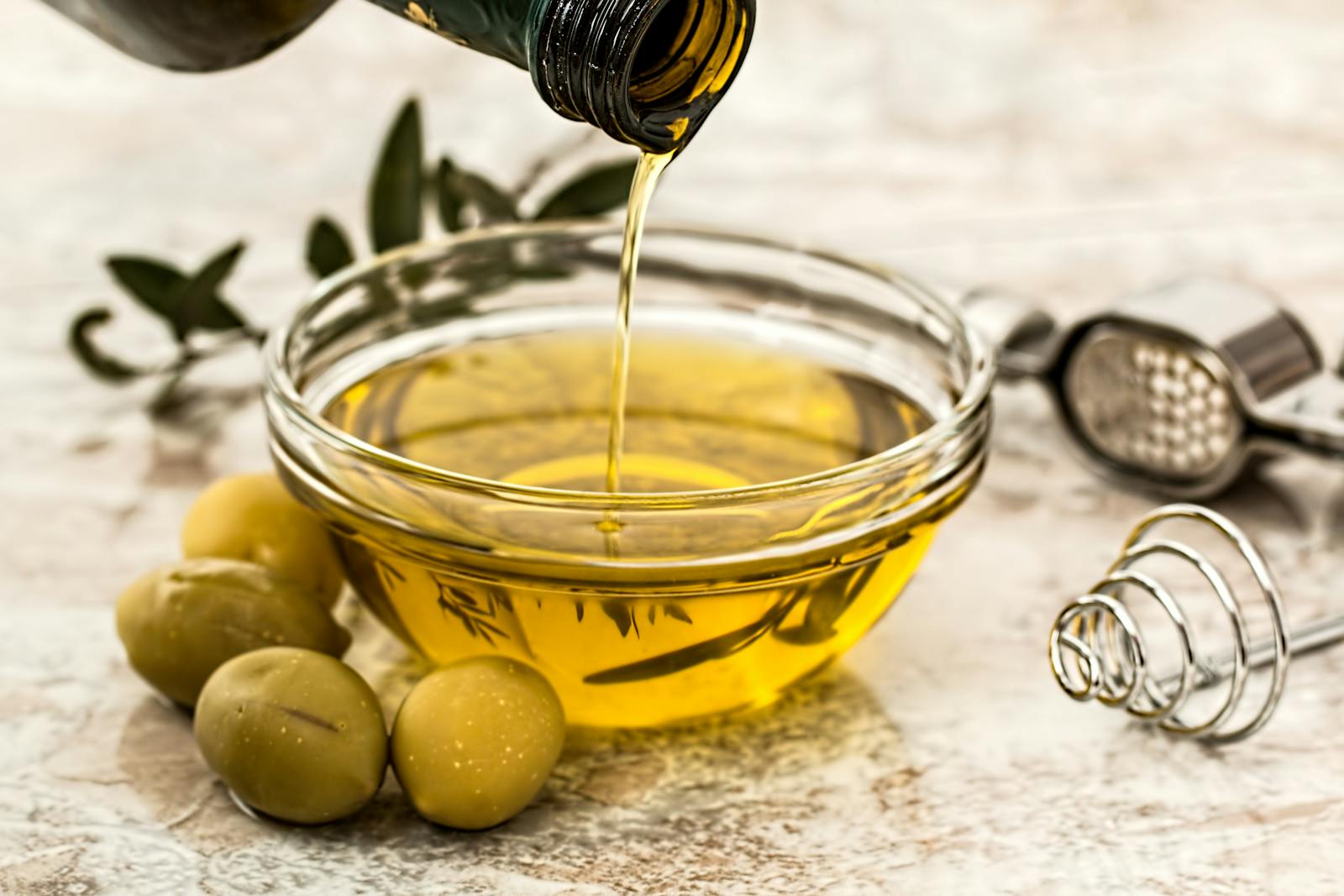
Pick early and you capture the fruit at its most defensive, packed with the very compounds that make oil pungent and bitter. In the glass that reads as cut grass, green almond, artichoke, and tomato leaf — flavors people are often surprised to find in olive oil at all.
Those same polyphenols do double duty: they taste vivid and act as built-in preservatives, which is why a peppery early-harvest oil ages more gracefully than a mellow late one.
The cost of picking early
There’s a reason not everyone does it. Harvesting green means sacrificing yield — sometimes dramatically — and picking within a tight window before the fruit softens. It’s more work for less oil. Producers who chase quality make that trade on purpose.
In Sicily and across Italy, the harvest runs roughly October to December, and the greenest, liveliest oils come from its opening weeks.
A great oil tastes like the season it was picked in. Early-harvest tastes like autumn on the hillside — green, sharp, and unmistakably fresh.