
What “Extra Virgin” Actually Means
Extra virgin isn’t marketing — it’s a legal grade with chemical thresholds and a taste test the oil has to pass. Here’s what has to be true.
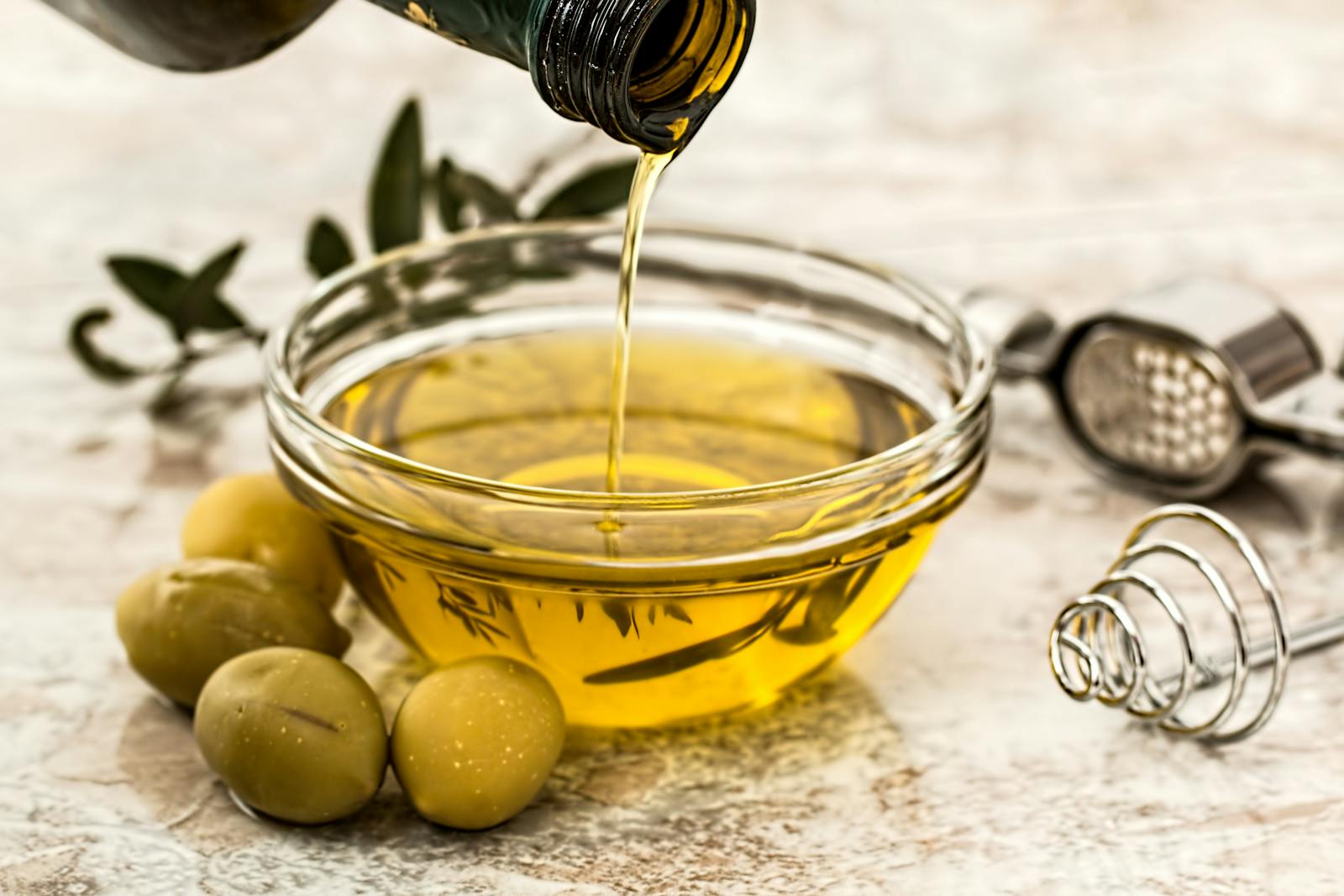
“Extra virgin” is on nearly every olive oil label — but it isn’t a marketing flourish. It’s a legally defined grade with chemical thresholds and a taste test an oil has to pass. Here’s what has to be true before oil can wear those two words.
It’s the top grade — and the rules are strict
Olive oil is graded, a little like eggs or maple syrup, and extra virgin sits at the very top. To qualify under International Olive Council and EU standards, an oil must clear two bars:
- Chemistry: free acidity no higher than 0.8% (measured as free oleic acid per 100 grams). Lower is better; the finest oils come in well under 0.5%.
- Taste: it must pass a blind sensory panel with zero defects and a positive, fruity character. One whiff of rancid, musty, or “fusty” olives and it’s disqualified.
Drop below those marks and the oil is downgraded to virgin (up to 2% acidity, minor defects allowed) or refined into plain “olive oil” — chemically stripped of its flaws and blended with a little virgin oil for flavor.
“Cold extracted,” not just “cold pressed”
You’ll still see “cold pressed” on labels — a holdover from the days of stone presses. Modern mills spin the crushed paste in centrifuges instead, so the accurate term is cold extracted. Either way, the key is temperature: the paste is kept below about 27°C (80°F) while it’s mixed, because heat boosts yield but burns off the delicate aromas and antioxidants that make good oil taste alive.
Crucially, extra virgin is made by mechanical means only — crushing and spinning. No solvents, no heat treatment, no refining. It is, quite literally, fresh olive juice.
Freshness is the ingredient
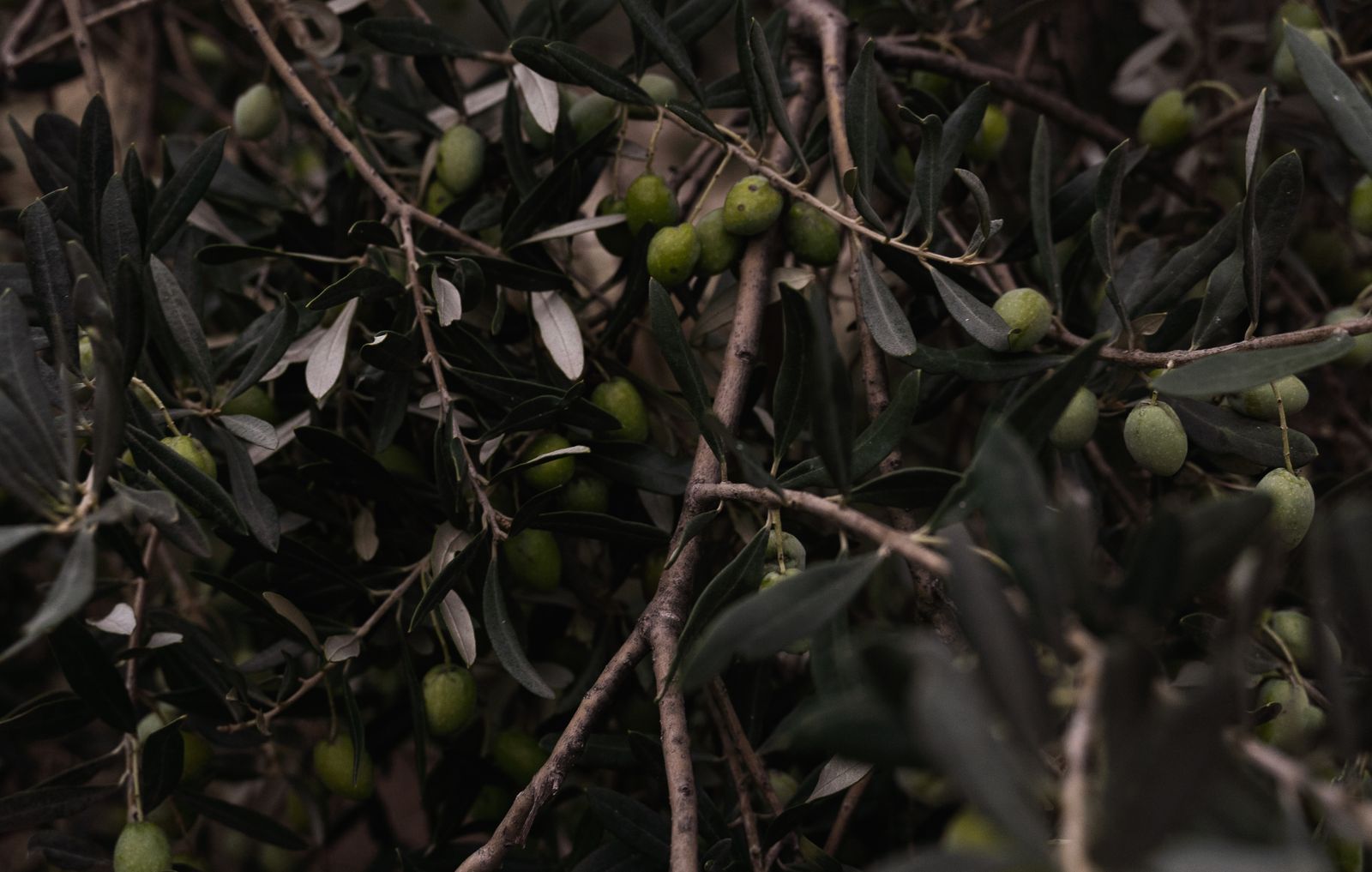
Acidity climbs the longer olives sit between the tree and the mill, as the fruit begins to break down. That’s why the best producers harvest and press within hours, not days. It’s also why a harvest date on the label tells you more than a “best by” stamp ever will.
Extra virgin isn’t a flavor. It’s a promise about how the oil was grown, picked, and pressed.
So when you reach for a bottle, you’re not just buying taste — you’re buying a grade that a lot of careful work had to earn.