
From Blossom to Bottle: A Year in the Grove
Olive oil is a once-a-year crop. Here’s what’s happening on your tree, month by month, from spring flowers to the winter pressing.
Olive oil is a once-a-year crop, and the bottle in your kitchen is the finish line of a long season. Here’s what’s happening on your tree, month by month, from the first spring flowers to the winter pressing.
Spring — flowering
In April and May, the tree throws out sprays of tiny cream-white blossoms. Only a small fraction will ever become fruit; the rest fall. A calm, dry flowering is a good omen for the harvest to come.
Early summer — fruit set
By June, pollinated flowers become minuscule green olives, hard as pebbles. This is when the potential size of the crop is set.
High summer — growing and hardening
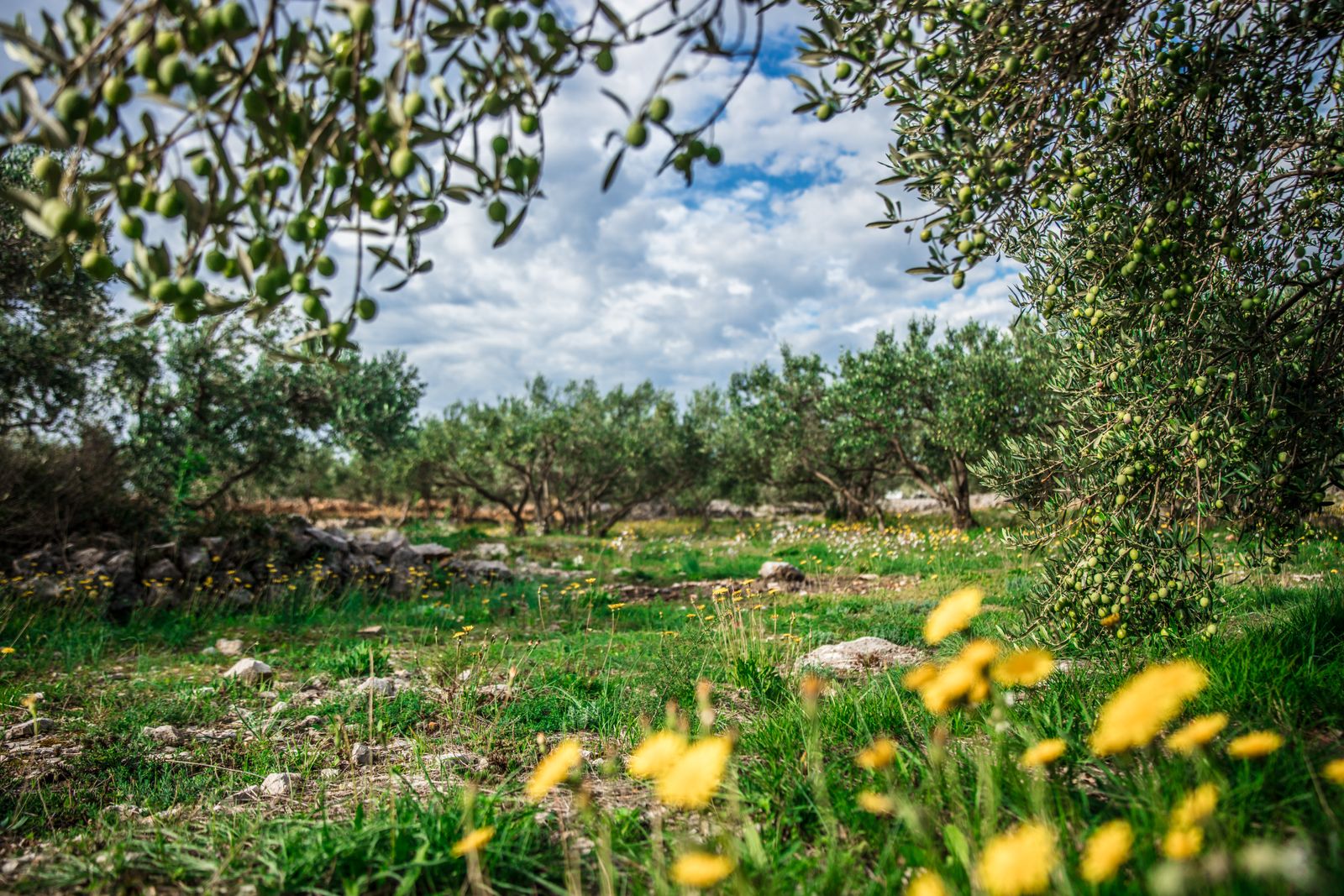
Through July and August, the fruit swells and the pit hardens. Sun and a measured amount of drought stress in this stretch actually concentrate flavor, pushing the tree to build the polyphenols that give great oil its punch.
Early autumn — veraison
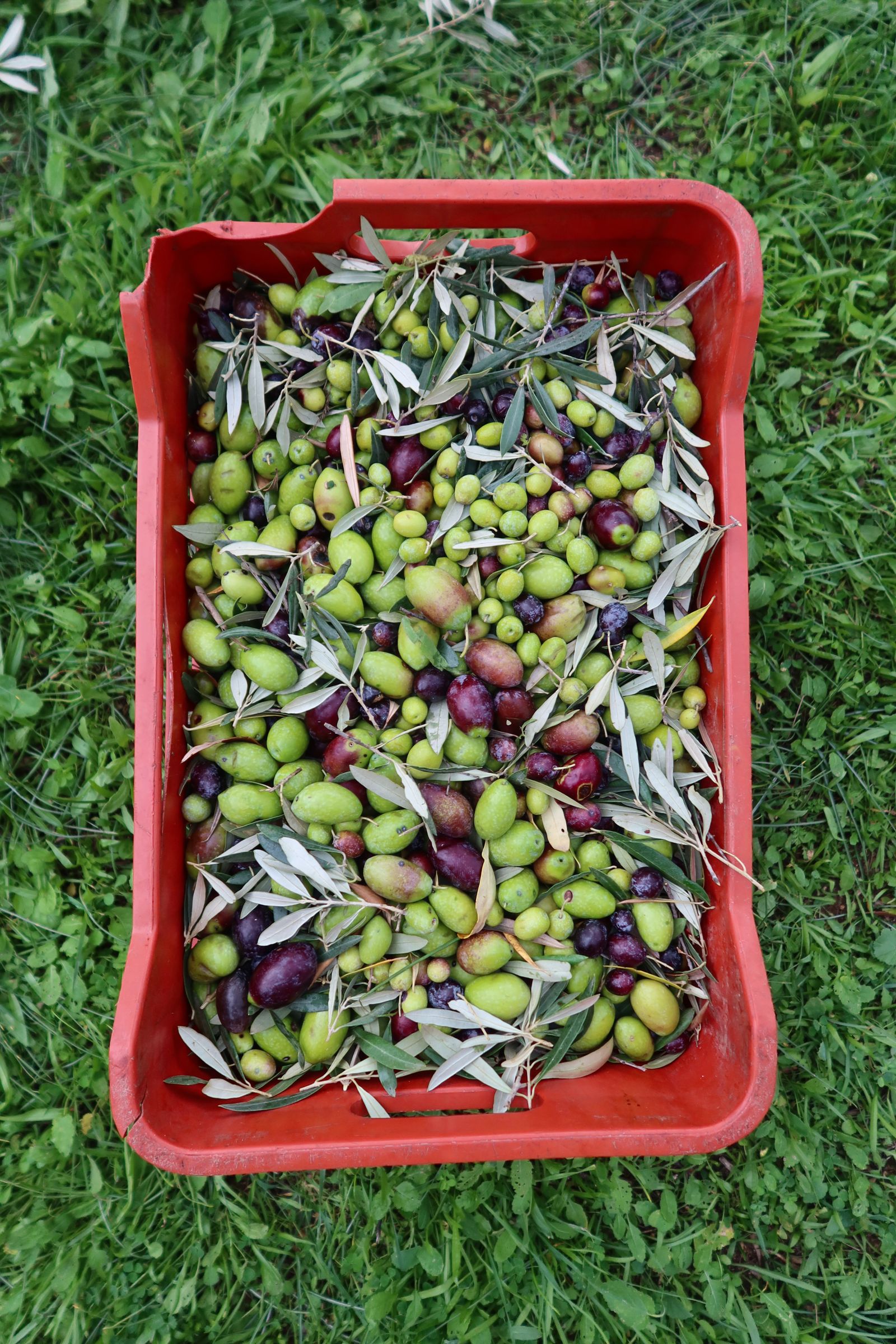
Come September, the olives begin to turn, green shading toward purple. The clock starts ticking on the single most important decision of the year: when to pick.
Late autumn — harvest
The heart of it all. From roughly October into December, olives are harvested and rushed to the mill, ideally pressed within hours so acidity stays low and the oil tastes fresh. Pick earlier and greener for a bolder, peppery oil.
Winter — new oil, and next year’s shape
The fresh oil settles and, usually around January, makes its way to you. Meanwhile the grove is pruned in the cold months to shape the canopy and set up the next crop.
One quirk worth knowing: olive trees are alternate bearing, so a heavy year is often followed by a lighter one. It’s the tree’s own rhythm — and part of why each vintage tastes a little different.
By the time oil reaches your table, it’s carried a whole year of weather, work, and timing with it.